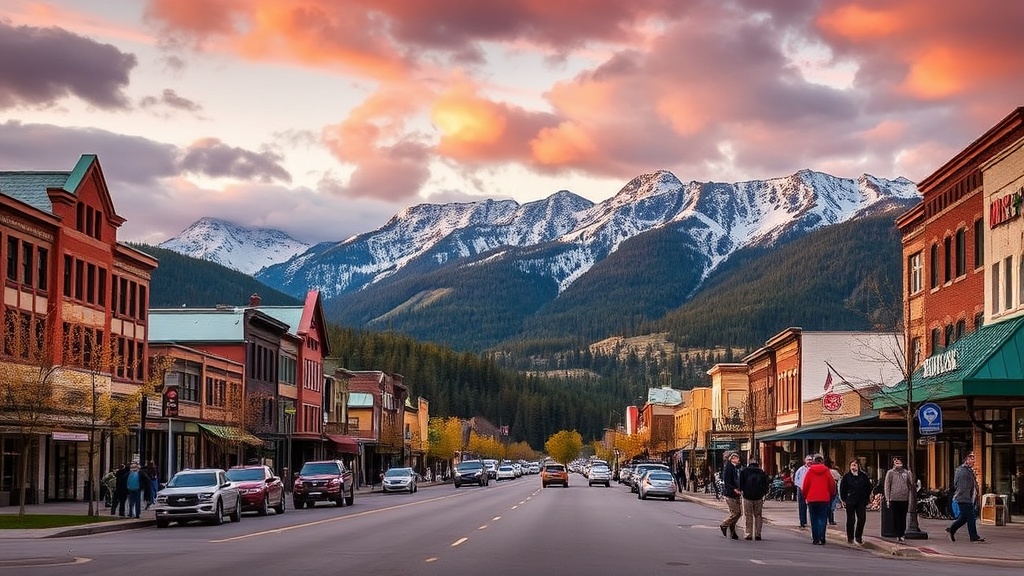
Cranbrook BC: Top Things to Do in the Heart of the Kootenays

What's Covered in This Guide to Cranbrook?
This guide maps out the top activities, local favorites, and practical tips for experiencing Cranbrook, BC — the largest city in the East Kootenay region. Whether you're planning a weekend getaway, a family road trip through British Columbia, or you're new to the area and want to know where locals actually spend their time, you'll find specific recommendations here. No filler. No tourist-trap nonsense. Just what works.
What Are the Best Outdoor Activities in Cranbrook?
The best outdoor activities in Cranbrook revolve around the area's lakes, trails, and mountain terrain — with options ranging from casual strolls to serious backcountry adventures.
Elizabeth Lake sits right at the edge of town. It's a shallow, warm lake that draws families, paddleboarders, and bird watchers from May through September. The Elizabeth Lake Wildlife Sanctuary protects over 100 bird species, including Great Blue Herons and Western Grebes. Bring binoculars. The walking loop around the lake takes about 45 minutes — flat, easy, doable with kids or grandparents.
Here's the thing about Cranbrook's trail network: it's bigger than most visitors expect. The Community Forest — maintained by the Cranbrook Community Forest Society — offers over 30 kilometers of multi-use trails. These aren't groomed resort trails. They're local trails. Expect roots, rocks, and the occasional mountain biker flying past. Maps are posted at most entrances, but downloading the Trailforks app before heading out isn't a bad idea.
For something more structured, Idlewild Park delivers. The JimSmith Lake Trail connects through forested sections with minimal elevation gain. In winter, the same trails become popular for snowshoeing — though you'll want to bring your own gear. Rental options in town exist, but they're limited.
The catch? Weather shifts fast in the Kootenays. Morning sun can turn to afternoon thunderstorms in July. Always pack a rain layer. Always.
Where Should You Eat and Drink in Cranbrook?
The food scene in Cranbrook punches above its weight for a city of 20,000 — with standout spots for breakfast, beer, and regional specialties you won't find elsewhere.
Start at Hot Shots Cafe on Baker Street. It's been a morning institution since 1994. The breakfast burrito (get it with the house-made salsa) fuels half the contractors and ski patrollers in town. The coffee is fine — not artisanal, not terrible — but the atmosphere is pure Cranbrook. Locals know each other. Conversations happen across tables.
For lunch, Heidi's Restaurant serves German-inspired comfort food that reflects the area's European settler history. The schnitzel platter is enormous. The spaetzle is house-made. It's not trendy. That's the point.
That said, Cranbrook has modern options too. Fire Hall Kitchen & Tap occupies a converted 1920s fire station on 10th Avenue South. The tap list rotates through BC craft breweries — Four Winds, Brassneck, Strange Fellows — plus a few Kootenay locals like Wild North Brewing from Creston. The smash burgers are consistent. The patio works on summer evenings.
Dinner? The Hide Out Bistro on Baker Street brings finer dining without the pretension. The menu changes seasonally — local lamb, regional mushrooms, Okanagan wine pairings. Reservations recommended on weekends. It's small. Intentionally so.
Worth noting: most local restaurants close earlier than Vancouver or Calgary standards. Kitchens often shut at 9 PM. Plan accordingly.
Quick Guide: Breakfast Spots Compared
| Restaurant | Best For | Price Range | Wait Time (Weekends) |
|---|---|---|---|
| Hot Shots Cafe | Hearty portions, local atmosphere | $ | 15-20 minutes |
| Snowberry Diner | Classic diner experience, fast service | $ | 5-10 minutes |
| Stonefire Bistro | Espresso drinks, lighter options | $$ | Minimal |
What Can You Do in Cranbrook When It Rains?
Indoor options in Cranbrook include museums, galleries, and historic sites that showcase the region's railway, First Nations, and mining heritage — plus a few surprises.
The Canadian Museum of Rail Travel is the headliner. It's not a warehouse of old trains. The collection includes complete vintage rail cars — some dating to the 1920s — restored to original condition. You walk through. You sit in the seats. The Trans-Canada Limited exhibit recreates a 1929 luxury train journey from Montreal to Vancouver. The museum runs 90-minute guided tours on a schedule — check times before visiting. Self-guided wandering isn't the move here; the guides know stories you won't read on plaques.
For contemporary culture, the Cranbrook History Centre (same building, separate admission) covers local Ktunaxa First Nations history, the 1898 forest fire that nearly destroyed the city, and the development of the lumber industry. The exhibits are compact — plan 45 minutes unless you're a serious history buff.
The Key City Theatre hosts performances year-round — local theater productions, touring musicians, comedy acts. The schedule varies wildly. Check their website before your trip. Tickets are reasonably priced compared to Kelowna or Vancouver venues. Same goes for the Cranbrook Public Library — surprisingly active event calendar for a city this size. Author readings, workshops, film screenings. Free.
Shopping options exist but aren't the draw. Baker Street has local boutiques — Lotus Books for independent titles, a few outdoor gear shops for last-minute trail supplies. The Tamarack Mall anchors the retail scene with standard chains. Functional, not exciting.
What Should You Know About Getting Around Cranbrook?
Cranbrook is compact and drivable — most destinations sit within 15 minutes of downtown — but the city layout confuses first-time visitors.
The Canadian Rockies International Airport (YXC) sits 10 kilometers north of downtown. It's small. Two gates. Daily flights connect to Vancouver, Calgary, and Kelowna through Air Canada and WestJet. Car rental counters are in the terminal. You'll want a vehicle — Cranbrook's public transit exists (BC Transit operates four routes) but frequencies are low and coverage skips most trailheads and attractions.
Downtown parking is free and plentiful. A rare gift in 2025. Street parking has time limits (usually 2 hours) but the lot behind City Hall offers all-day free parking. Use it.
For cyclists, Cranbrook has bike lanes on major arteries but they're inconsistent. The Rails to Trails path runs 26 kilometers from Kimberley to Cranbrook — flat, paved, suitable for any bike. It's the safest way to travel between the two towns without a car. The section through the North Star Rails 2 Trails corridor offers the best scenery: wetlands, forest, occasional wildlife sightings.
Seasonal Timing
- June to August: Peak season. Warmest weather (25-30°C), busiest trails, highest accommodation prices. Book ahead.
- September to October: Shoulder season. Cooler temperatures, fall colors in the Community Forest, fewer crowds. Many tourist services reduce hours after Thanksgiving.
- November to March: Winter. Temperatures drop to -10°C regularly. Snow covers trails. This is when locals head to Fort Steele Heritage Town (seasonal, check openings) or drive to Kimberley Alpine Resort (35 minutes north).
- April to May: Mud season. Melting snow, wet trails, unpredictable conditions. Some hiking routes remain closed. Lower prices, minimal crowds.
Is Cranbrook Worth Visiting as a Base for the Kootenays?
Cranbrook works well as a base for exploring the broader East Kootenay region — with day-trip options to Kimberley, Fort Steele, and the St. Mary Valley.
Kimberley — 30 kilometers north — offers a completely different vibe. The Bavarian-themed downtown is touristy (and locals have mixed feelings about it), but the Cominco Gardens and Underground Mining Railway are legitimate attractions. The Kimberley Nature Park contains over 200 kilometers of trails — significantly more rugged and extensive than Cranbrook's network.
Fort Steele Heritage Town — 15 kilometers northeast — is a restored 1890s gold rush town. Costumed interpreters. Working blacksmith shop. Steam train rides in summer. It's educational. It's also very family-oriented. Solo travelers or couples without kids might find it slow.
The St. Mary Valley — accessed via Highway 93/95 south — leads to trailheads for the Purcell Mountains. The St. Mary Alpine Provincial Park requires commitment — rough logging roads, serious elevation, true wilderness — but the alpine lakes reward the effort. Not a casual day trip. Plan for a full day, high-clearance vehicle recommended.
Here's the thing about choosing Cranbrook over other Kootenay bases: it's cheaper than Fernie, less crowded than Nelson, more functional than Kimberley. It doesn't have the postcard-perfect downtown or the instant wow factor. What it offers is access — to trails, to lakes, to the mountains — without the tourist infrastructure tax. You get more space. You pay less. The trade-off is charm; Cranbrook is a working city that happens to be surrounded by spectacular country, not a resort town playing dress-up.
Worth noting: cell service disappears quickly outside city limits. Download offline maps. Tell someone your plans. The backcountry here is real — beautiful, indifferent, and unforgiving if you treat it casually.