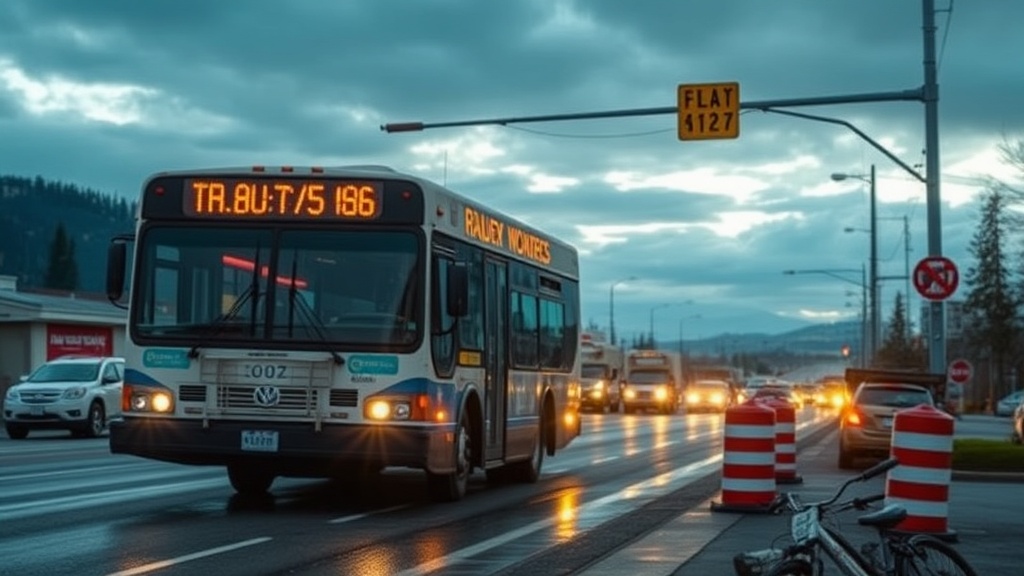
handling Local Transit and Road Works in Cranbrook

Imagine you're driving down Rex Street during the morning rush, only to find that a sudden detour has redirected traffic toward the industrial area. It's a common scenario for those of us living in Cranbrook, especially when municipal maintenance or seasonal road work begins to shift our usual patterns. Understanding how our local infrastructure functions and staying ahead of construction schedules helps us avoid the frustration of being stuck in traffic when we should be at work or picking up the kids from school.
Our community relies heavily on a few main arteries, and when one goes sideways, the ripple effect is felt across the entire city. Whether it's a water main repair near the downtown core or a resurfacing project near the high school, being aware of these shifts is part of living in a growing town like Cranbrook. We've put together this guide to help you understand the current state of our roads and how to stay informed.
Where can I find the latest road construction updates in Cranbrook?
The most reliable way to stay informed is to keep an eye on the official City of Cranbrook website. They frequently post notices regarding water works, road closures, and long-term-planning projects. If you're planning a trip through the north end of town, checking their alerts can save you a lot of time. Often, these projects are scheduled during the shoulder seasons, but as we know, a sudden pipe burst in the middle of a Cranbrook winter can change plans instantly.
Local residents also tend to find out about immediate issues through community groups on social media. While the official city channels are the gold standard for verified data, our local neighborhood groups often share real-time updates about traffic jams or unexpected closures near the Rex Street corridor. It's always a good idea to check both sources before you head out for the day.
How does the local transit system work for Cranbrook residents?
Public transit in our corner of the Kootenays is a vital service for students and those looking to reduce their carbon footprint. The transit routes are designed to connect residential pockets with major hubs like the George Euler Secondary School and the various shopping centers along the main drags. If you aren't used to the schedule, it can feel a bit rigid—but once you get the hang of it, it's a reliable way to get around without worrying about parking.
The buses follow specific loops that might not always feel intuitive if you're used to driving. For example, if you're heading from the residential areas toward the commercial sectors, the timing of the transfers can be tricky. We recommend downloading a transit app or keeping the local transit schedule book handy. Many of us rely on these routes to get to appointments or errands without having to own a second vehicle.
Common transit routes and stops
Most of our transit-dependent neighbors rely on the central hubs to move between the north and south ends of the city. Here are a few things to keep in mind:
- The Downtown Loop: This is the heart of our transit-connected life, connecting the commercial core to the outskirts.
- School Zone Awareness: Be mindful of bus stops near local schools; traffic slows down significantly during drop-off and pick-up times.
- Weekend Schedules: Transit frequency often shifts on Saturdays and Sundays, so plan your errands accordingly.
What are the biggest traffic bottlenecks in Cranbrook?
If you've lived here long enough, you know that certain intersections can be a headache. The intersection near the hospital area or the heavy-traffic zones near the highway entrance are frequent spots for delays. These aren't just caused by construction, but also by the natural flow of our growing population. We see a lot of heavy machinery and transport trucks moving through these areas, which can slow the pace of your commute significantly.
Another major factor is the seasonal change. When the snow hits Cranbrook, the way we drive—and the way the city manages our roads—changes completely. The city's snow removal teams are out in full force, and while they do a great job, it can mean temporary closures on side streets. Being a proactive neighbor means checking the City of Cranbrook official website before you head out during a heavy snowfall to see if your usual route is blocked.
We also suggest paying attention to the construction signs that pop up near the local industrial parks. Many of our local businesses depend on these routes, and while the heavy-duty vehicles might slow you down, they are a sign of the economic movement in our area. For more detailed regional transit information and weather-related road safety, you can also check the It's worth noting that many of our local construction projects are actually aimed at improving the long-term quality of our roads. While the temporary inconvenience is a drag, the end result is a smoother ride for all of us in the long run. We've seen how much a well-maintained road improves the daily lives of residents in the surrounding neighborhoods.
Lastly, always remember to be patient with our local service workers. Whether it's a bus driver handling a tight turn or a construction crew working on a utility line, they are working to keep Cranbrook moving. A little bit of patience goes a long way in our community, especially when the weather is less than ideal.